

Latest news
Serving the dietetic workforce for 90 years
This year we're celebrating 90 years of the BDA.

Scottish Budget 2026-27 published
Let’s look at how the Scottish budget is likely to impact the dietetic workforce and the BDA’s campaigns.
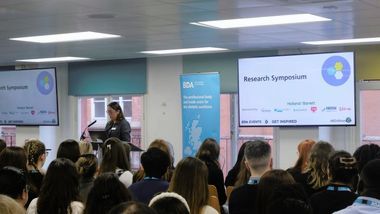
Celebrating a brilliant day of research and collaboration
Over 225 attendees witnessed an incredible showcase of innovation and expertise at this year's Research Symposium.

New programme offers dietitians the opportunity to build digital and data skills
A CSP collaboration has led to the launch of a new digital education programme that gives dietitians to digital and data knowledge and practical skills.
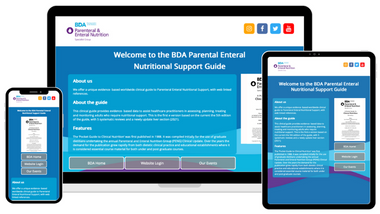
The PENG e-Pocket Guide app is here!
We are extremely excited to launch our new PENG e-Pocket Guide app - an essential resource to support your practice.
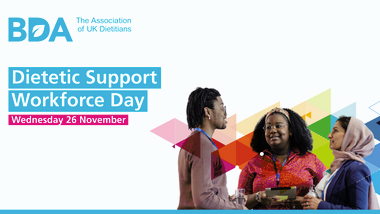
Dietetic Support Workforce Day 2025
We're shining the spotlight on the dietetic support workforce on 26 November. Sign up to our webinar.
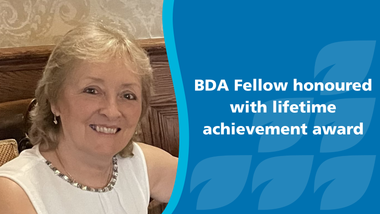
BDA Fellow honoured with lifetime achievement award
The BDA would like to congratulate Pauline Douglas, BDA Fellow and former BDA Chair, for receiving The Patricia Blackburn Award at the Northern Ireland Advancing Healthcare Awards.
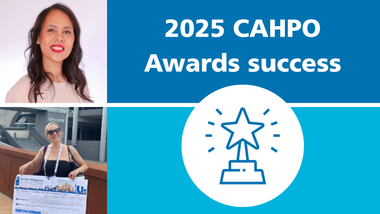
BDA members recognised with CAHPO Awards
Two BDA members were recently awarded with Chief Allied Health Professions Officer (CAHPO) Awards for innovation and advancement in their fields.
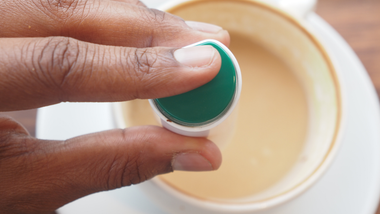
Low or no calorie sweeteners deemed safe in new position statement
Expert scientists representing the BDA, BNF and Diabetes UK have produced a statement for healthcare professionals on low or no calorie sweeteners.
Find a dietitian for your nutrition needs
Latest articles

Cow’s milk allergy in babies: Busting common myths
Cow’s milk protein allergy (CMPA) is one of the most common food allergies in babies, yet it is still widely misunderstood. In this guide, Specialist Dietitian for Children & Parents Nishti Udeh will help you identify some common myths.
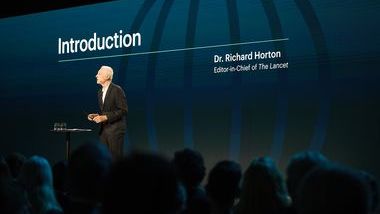
The EAT-Lancet Commission 2.0 on healthy, sustainable and just food systems: A commission by The Lancet
Tanya Haffner and Rosie Martin attended the launch of EAT-Lancet Commission 2.0 in Stockholm. Here, they provide some key takeaways, links to resources and reflections on what this can mean for dietitians and healthcare.
When culture meets clinical: The Sunnah Diet Information Leaflet
Mahmoud Natty, Naheen Shah and Thushara Dassanayake introduce a new patient information leaflet for Muslim adults living with CKD, aligning clinical nutrition advice with Islamic principles
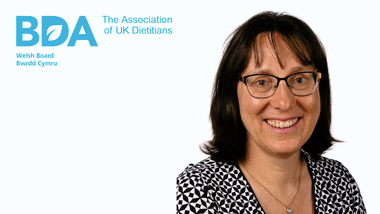
Meet Emma Catling, our new Bwrdd Cymru Chair
Get to know Emma Catling, our new Bwrdd Cymru Chair, and discover more about her plans for the role.
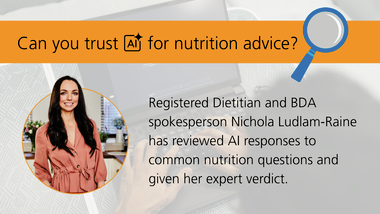
Can you trust AI for nutrition advice? A dietitian reviews ChatGPT and Google answers
AI tools can be helpful for quick information, but how accurate are they when it comes to nutrition and health?

Calling all Supplementary Prescribers: We want your stories!
Share your experience of being a supplementary prescribing dietitian and help to build the case for independent prescribing.

The ultimate guide to supporting your child with histamine intolerance
If your child often complains of tummy pain, random rashes, hives, itchiness, or a blocked/runny nose - and no one can figure out why - it can feel overwhelming. One possible (and often overlooked) cause is histamine intolerance.
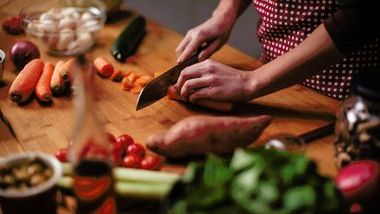
Cooking in dietetics – core or complementary?
In a project related to a study funded by the BDA General and Education Trust, researchers from King’s College London have interviewed nutrition and dietetics practitioners and educators about whether there is a role for cooking in dietetic practice and education.
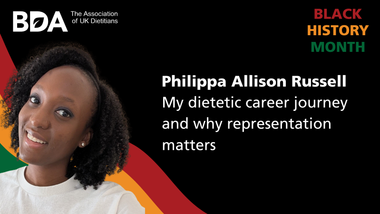
My dietetic career journey and why representation matters
Philippa Allison Russell, a weight management and bariatric dietitian, details her career journey and why representation matters in dietetics.